Local Government in England
March 17, 2021
Video on the systems of local government in England. Unlike Scotland, Wales, and Northern Ireland, English local government has much more variable layers and is more complicated and varied.
Covering: levels of government, powers handled, how power is distributed for the authority, and the electoral systems.
Levels of Government
Starting off, the tiers of Government and how they fit together.
Firstly, County Councils are the top tier of a two-tier system, with district, city, or borough councils under them.
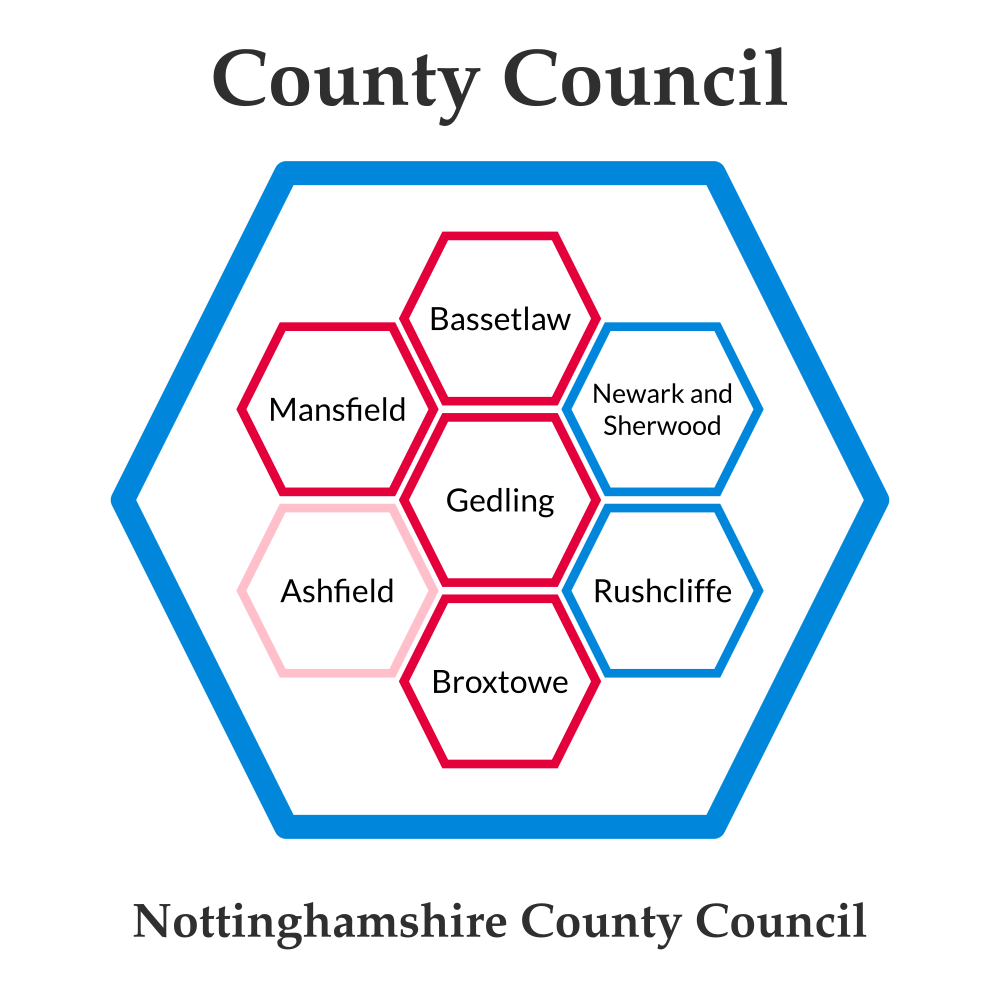
Nottinghamshire County Council: Bassetlaw District Council, Newark and Sherwood District Council, Rushcliffe Borough Council, Broxtowe Borough Council, Ashfield District Council, Mansfield District Council, Gedling Borough Council
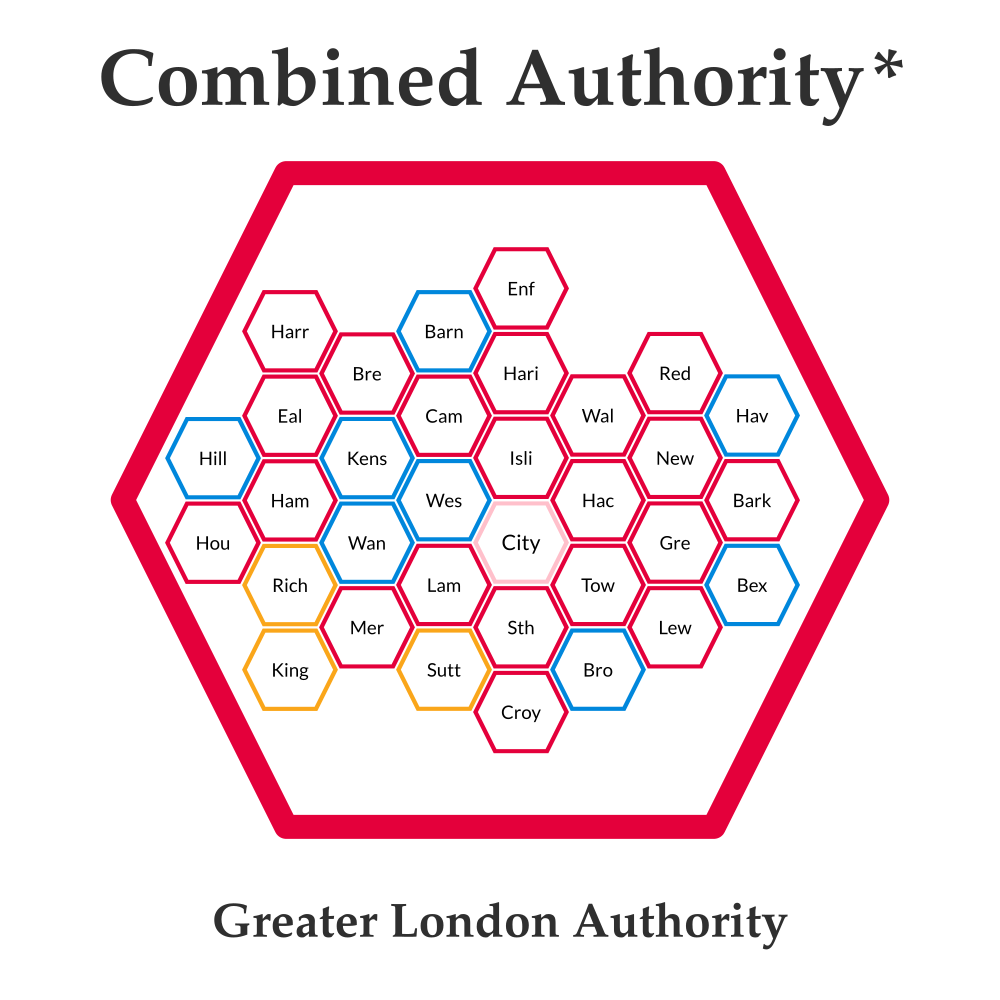
Similarly, the Greater London Authority sits on top of London Borough Councils and the City. However, this arrangement can be seen as similar to a Combined Authority because of the limited power of the GLA, coming later.
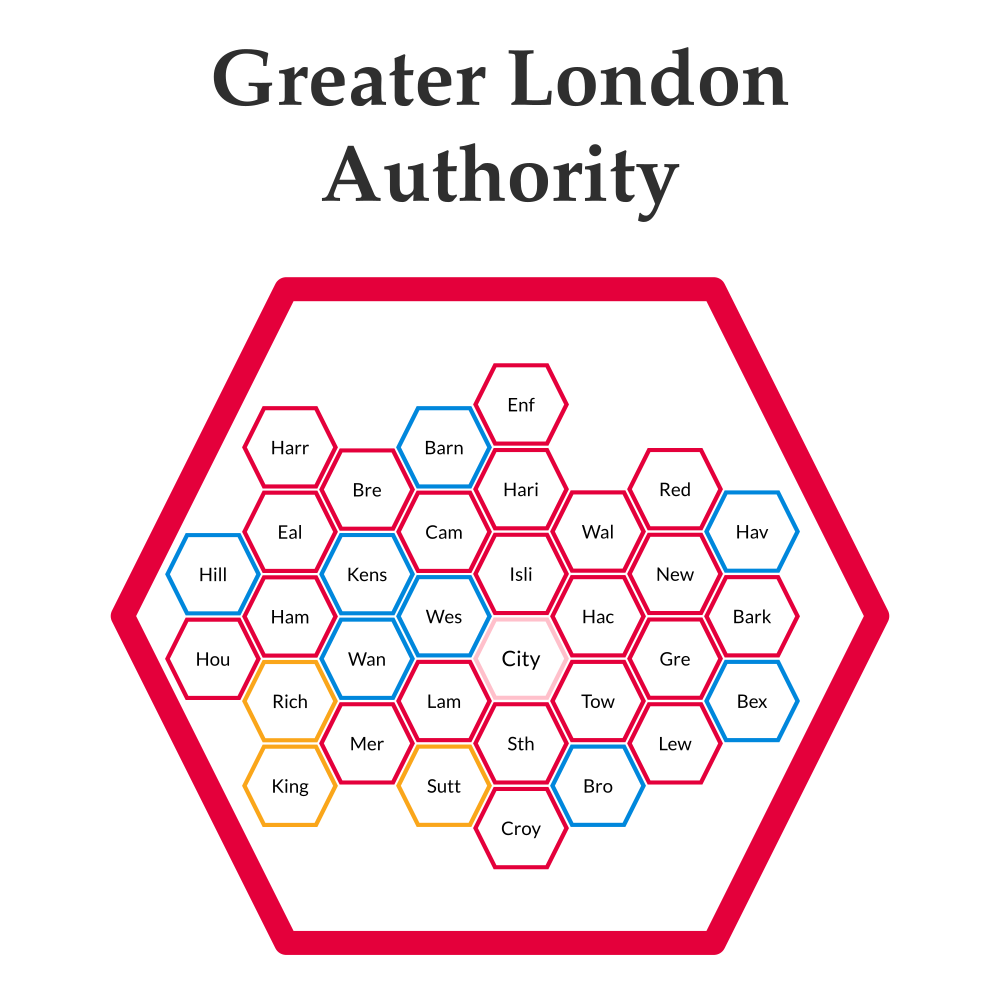
Greater London Authority, London Boroughs
Unitary authorities are similar to the county and district model, but with all powers in a single council. These are a relatively new system, they can often be seen neighboring county councils but containing large cities.
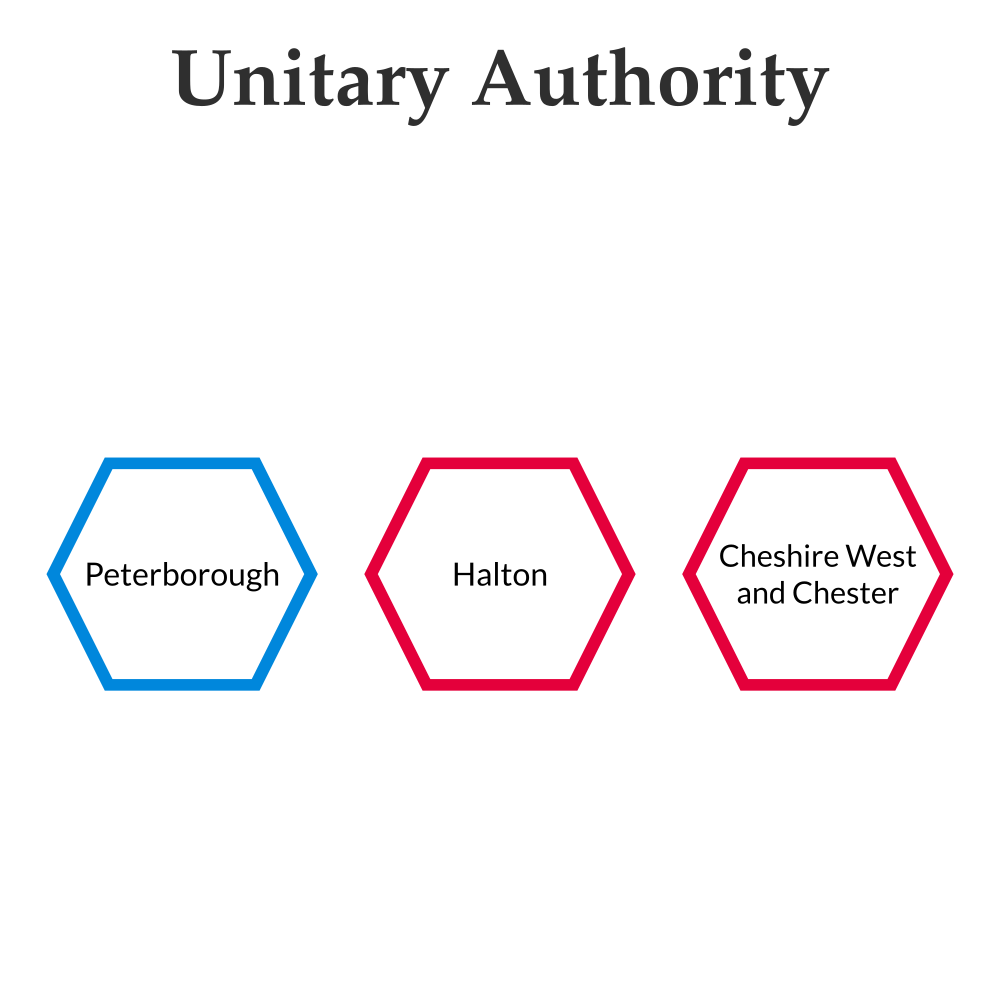
Peterborough City Council, Halton Borough Council, Cheshire West and Chester Council
Metropolitan districts used to be part of a two-tier system, with the Metropolitan County above the districts. However, the counties were abolished and now the districts have all the responsibilities as a unitary authority.
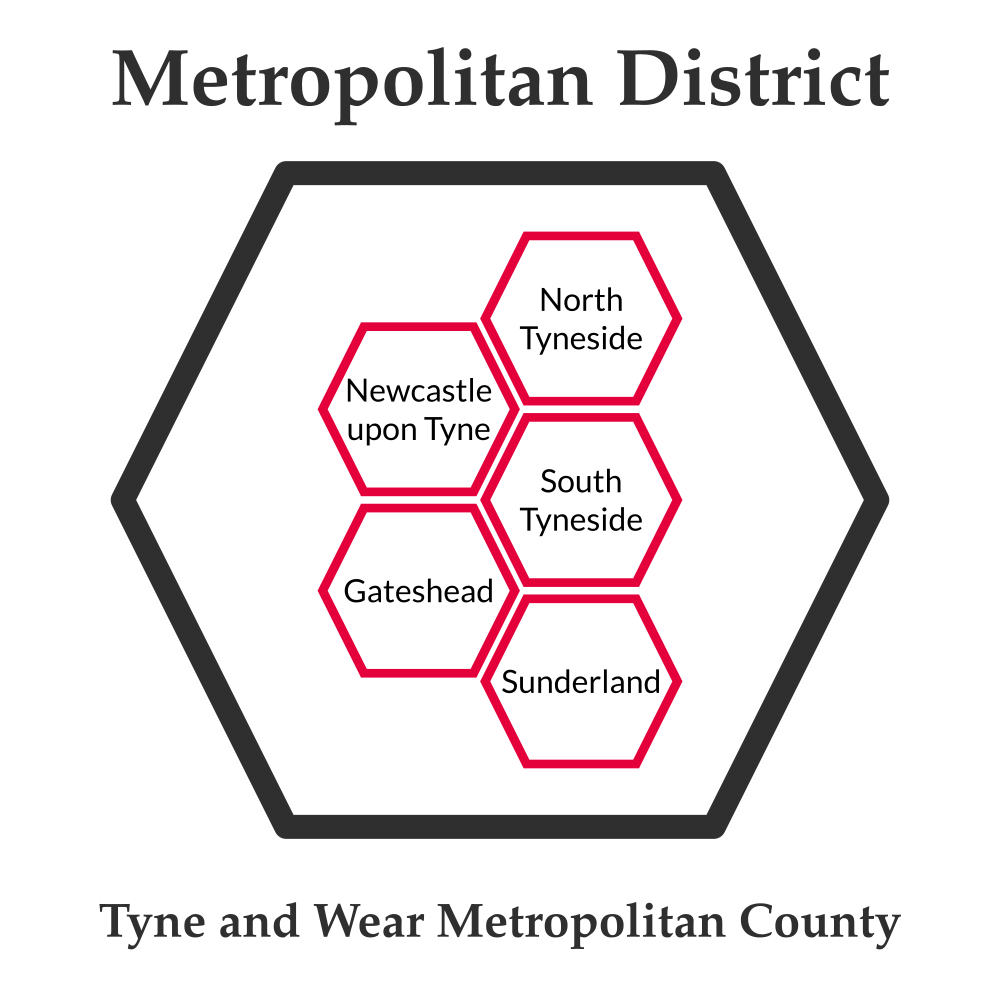
North Tyneside Council, Newcastle City Council, South Tyneside Council, Gateshead Council, Sunderland City Council
These four systems are not as distinct in practice, as a combined authority can be created to cooperate between them.
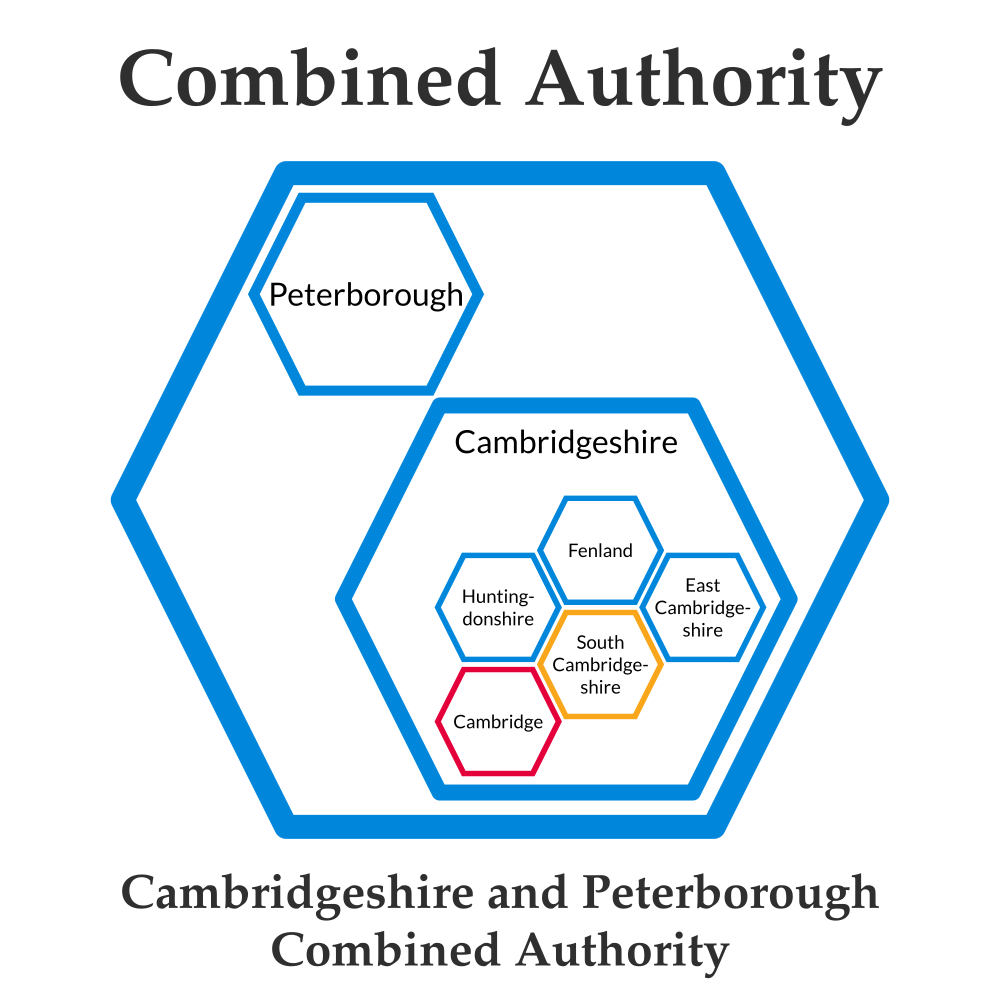
Cambridgeshire and Peterborough Combined Authority, Cambridgeshire County Council, Fenland District Council, East Cambridgeshire District Council, Huntingdonshire District Council, South Cambridgeshire District Council, Cambridge City Council
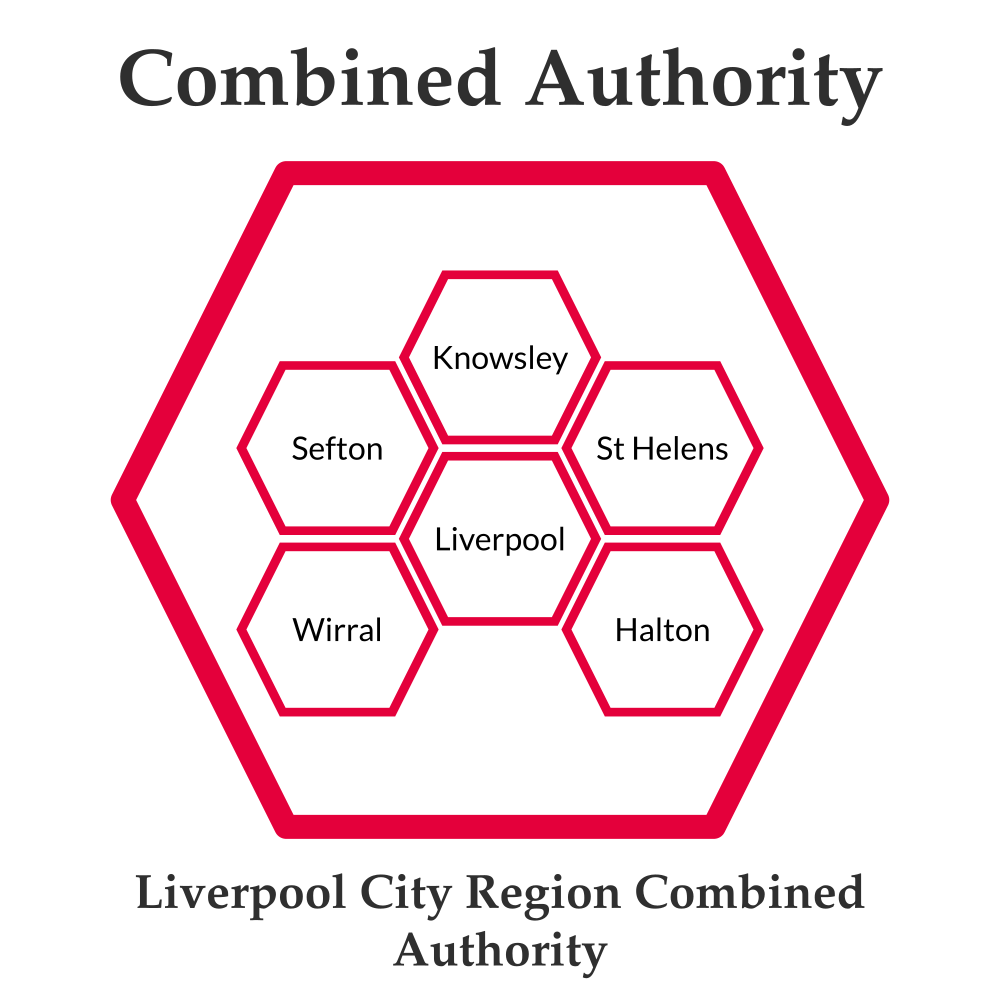
Liverpool City Region Combined Authority: Knowsley Council, Sefton Council, St Helens Council, Liverpool City Council, Wirral Council
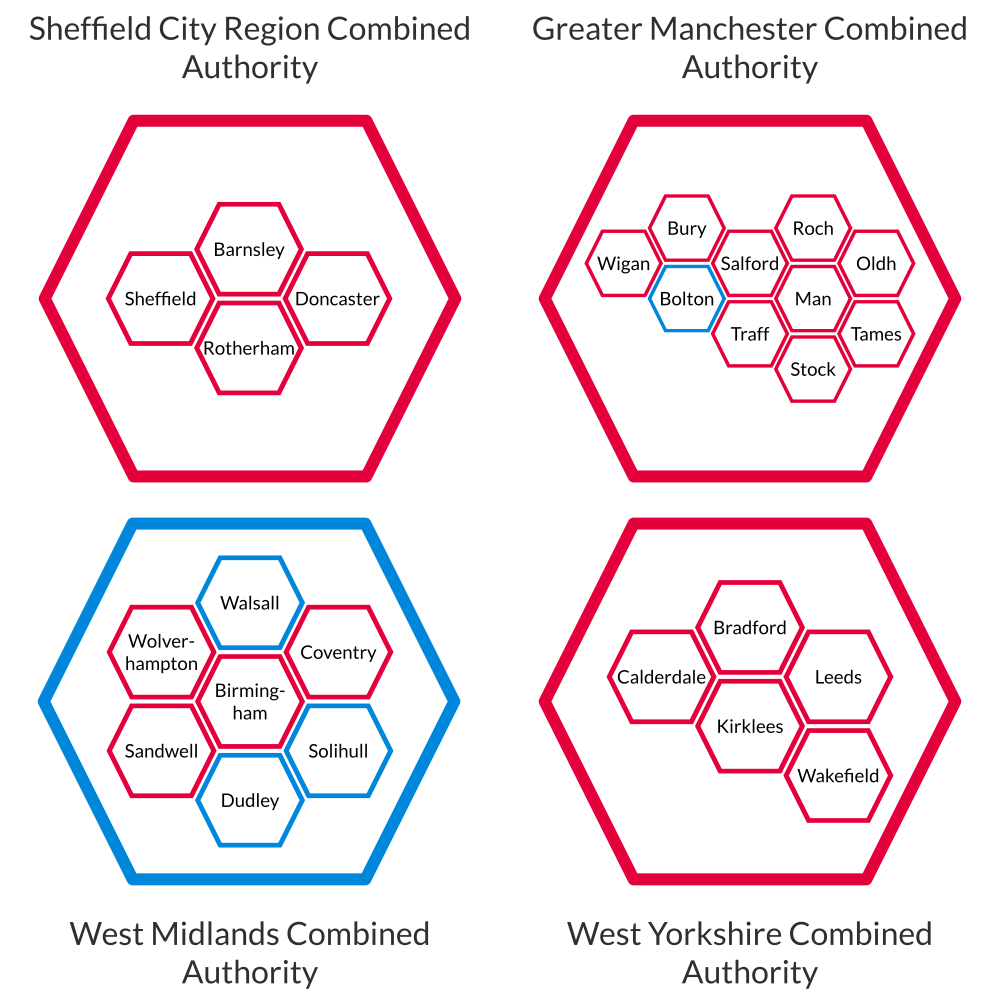
Sheffield City Region Combined Authority, Greater Manchester Combined Authority, West Midlands Combined Authority, West Yorkshire Combined Authority
Below all of these boroughs and counties and authorities is the civil parish. These are optional, and most of the population is not part of one. They have a range of hyper-local functions and can vary dramatically depending on their situation.
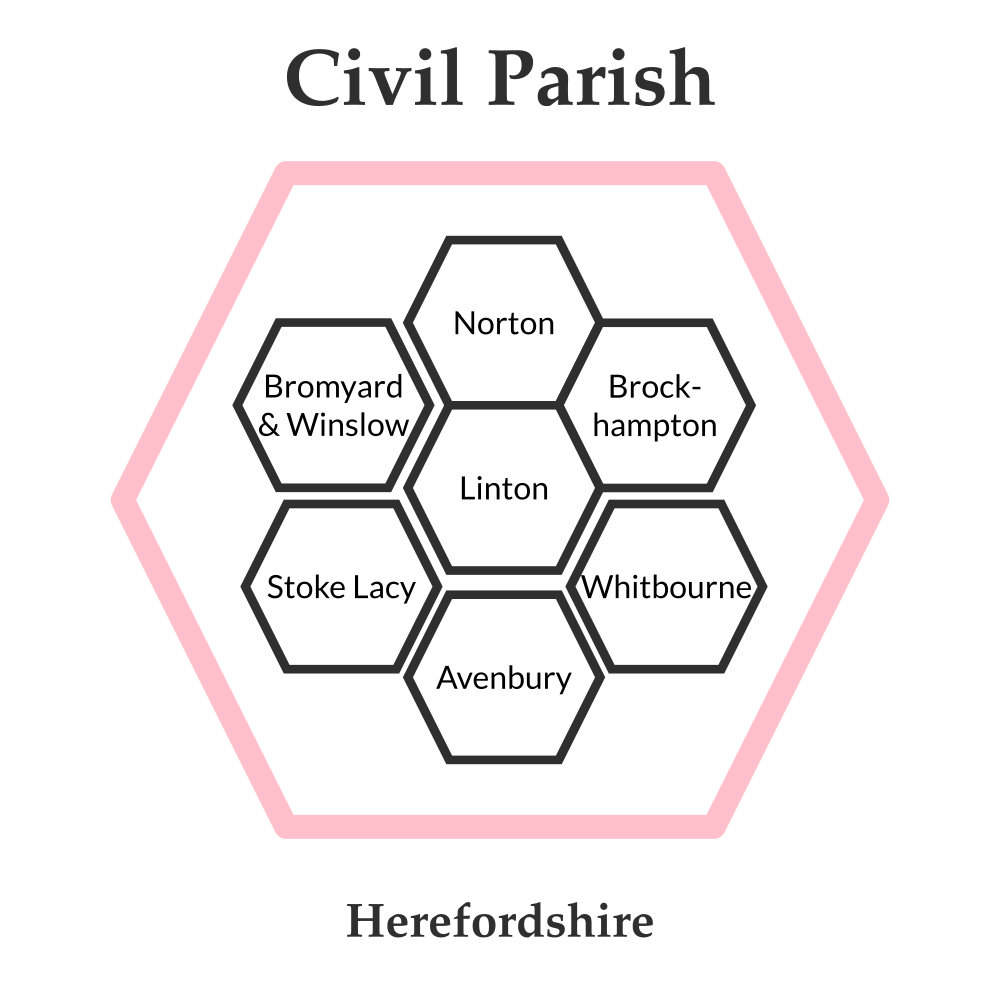
Herefordshire Parish Councils, Brockhampton Group Parish Council
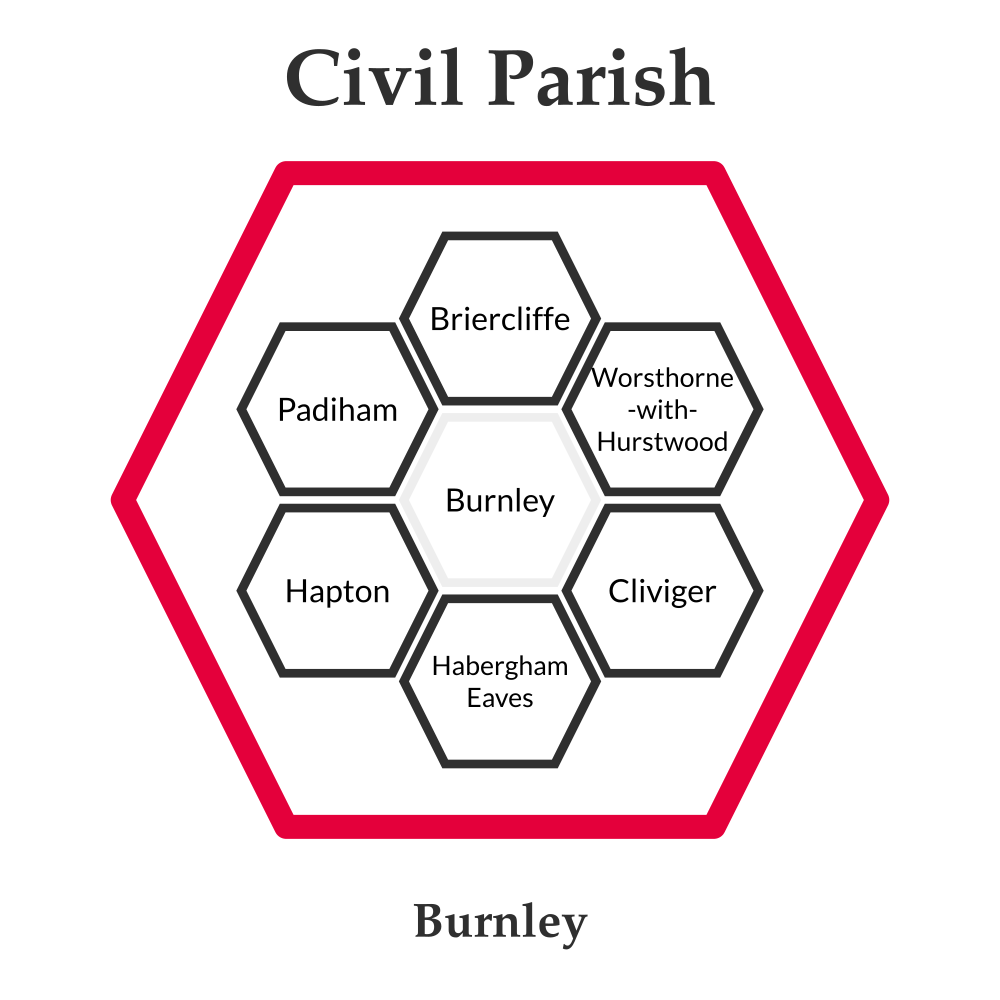
Burnley Council, Burnley Parish Councils
Each level of government shares power, but different areas have different local governments.
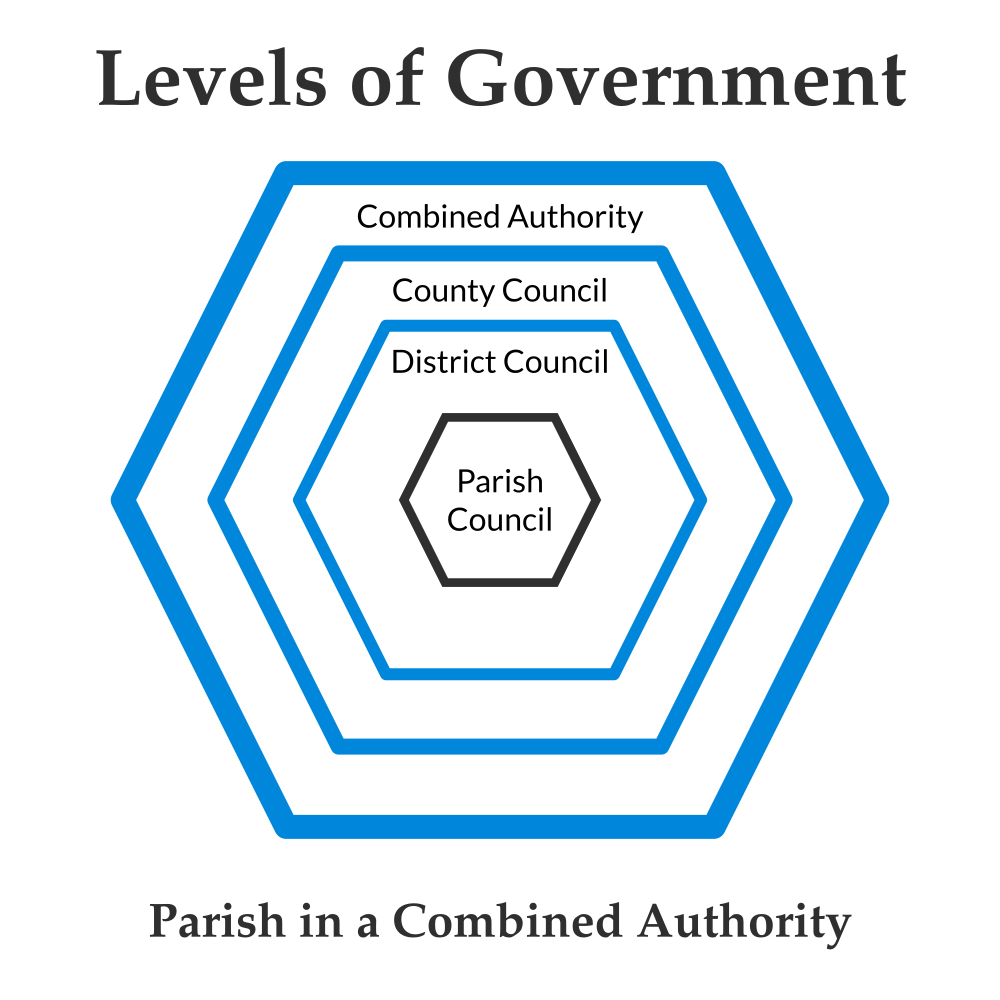
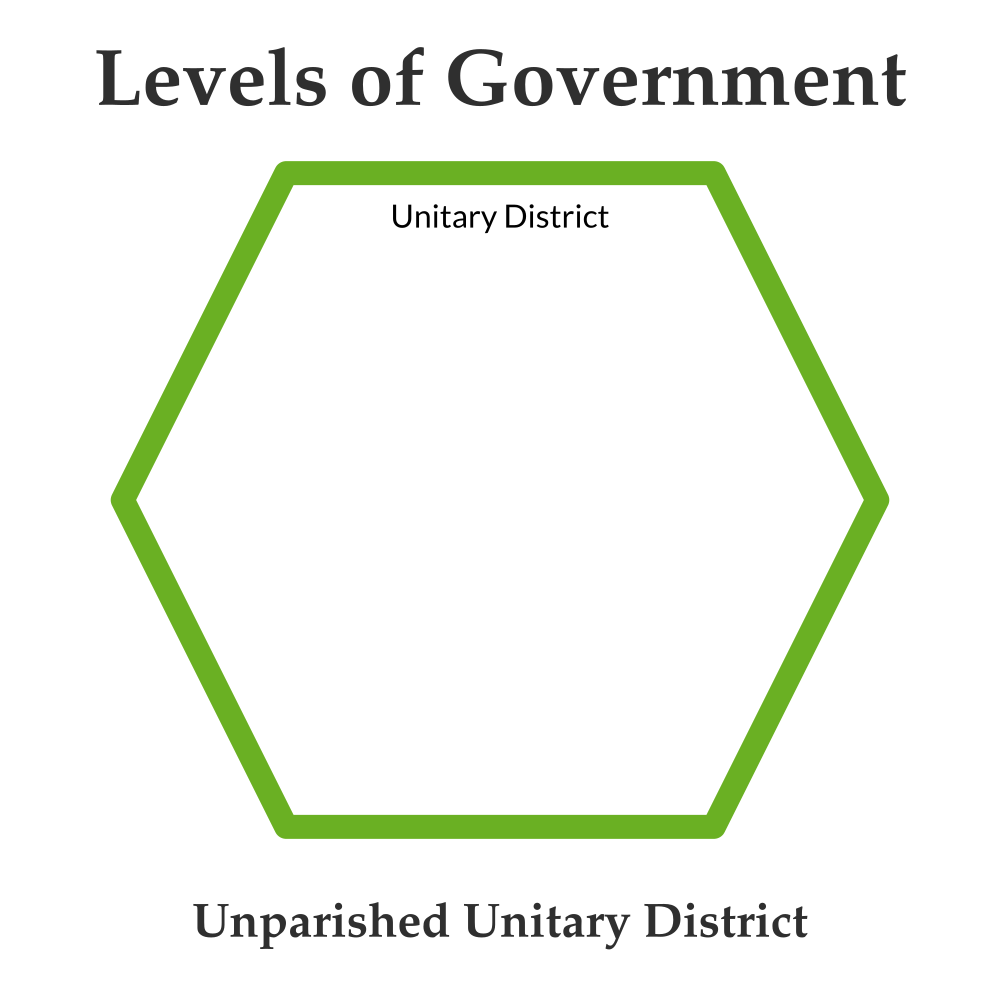
Power Sharing
Next, how power is shared between the different levels of local government.
County-District
Shared PowersIn the county-district two-tier system, most powers are allocated to one of the authorities. However, some powers are shared
Local government in England: structures :
- Arts and recreation
- Economic development
- Museums and galleries
- Parking
- Planning
- Tourism
County (Upper) PowersThe other powers are handled by either the county, or the district. In other systems, the unitary authority, metropolitan borough, or London borough have all of these powers :
- Births, deaths, marriage
- Children’s services
- Concessionary travel
- Consumer protection
- Education
- Emergency Planning
- Highways, street lighting, traffic management
- Libraries
- Minerals and waste planning
- Buses and transport planning
- Public health
- Social services
- Trading standards
- Waste disposal
District (Lower) Powers:
- Building regulations
- Burials and cremations
- Coastal protection
- Community safety
- Council tax and business rates
- Elections and electoral registration
- Environmental health
- Housing
- Licensing
- Markets and fairs
- Public conveniences
- Sports centres, parks, playing fields
- Street cleaning
- Waste collection and recycling
Combined Authority
Potentially-Shared PowersEach combined authority is created with specific powers that are negotiated uniquely, with the only power available to all authorities is to promote education and training. Powers may be shared between the constituent councils, or granted solely to the combined authority
Distribution of powers among local authorities in the UK :
- Children’s services
- Community safety
- Council tax and business rates
- Economic development
- Education and skills
- Highways and roads
- Housing
- Planning
- Public health
- Social care
- Transport
Civil Parish
Potentially-Shared PowersThe Civil Parish can be responsible for a large range of powers as they can cover whole cities or villages of only a hundred people. The smallest parishes may provide a small square in the centre of a village and be consulted on local planning decisions by the higher tiers of government. While a parish covering a city may provide a large range of parks and community centres, and contribute to planning the local public transport
Understand how your council works :
- Planning consultation
Provide:
- Allotments
- Public clocks
- Bus shelters
- Community centres
- Play areas and equipment
- Local grants
Issue fines for:
- Litter
- Graffiti
- Fly posting
- Dog offences
Decision Making
Councils are democratic institutions and councillors are elected to make decisions. They are unpaid and can only claim an allowance for time spent on duty and the associated costs. Each council decides under which framework it operates, which may be through consensus or through a leaderHow are councils structured? .
The leader and cabinet system uses the whole council to elect a councillor to undertake most decisions. They select a cabinet, as well as a deputy leader.
This system is more suited to councils where a party can secure a majority, to ensure that they can choose a leader, and as other groups are left out of decision making. They also must include an overview and scrutiny committee, made up of councillors representing the strength of the whole council.
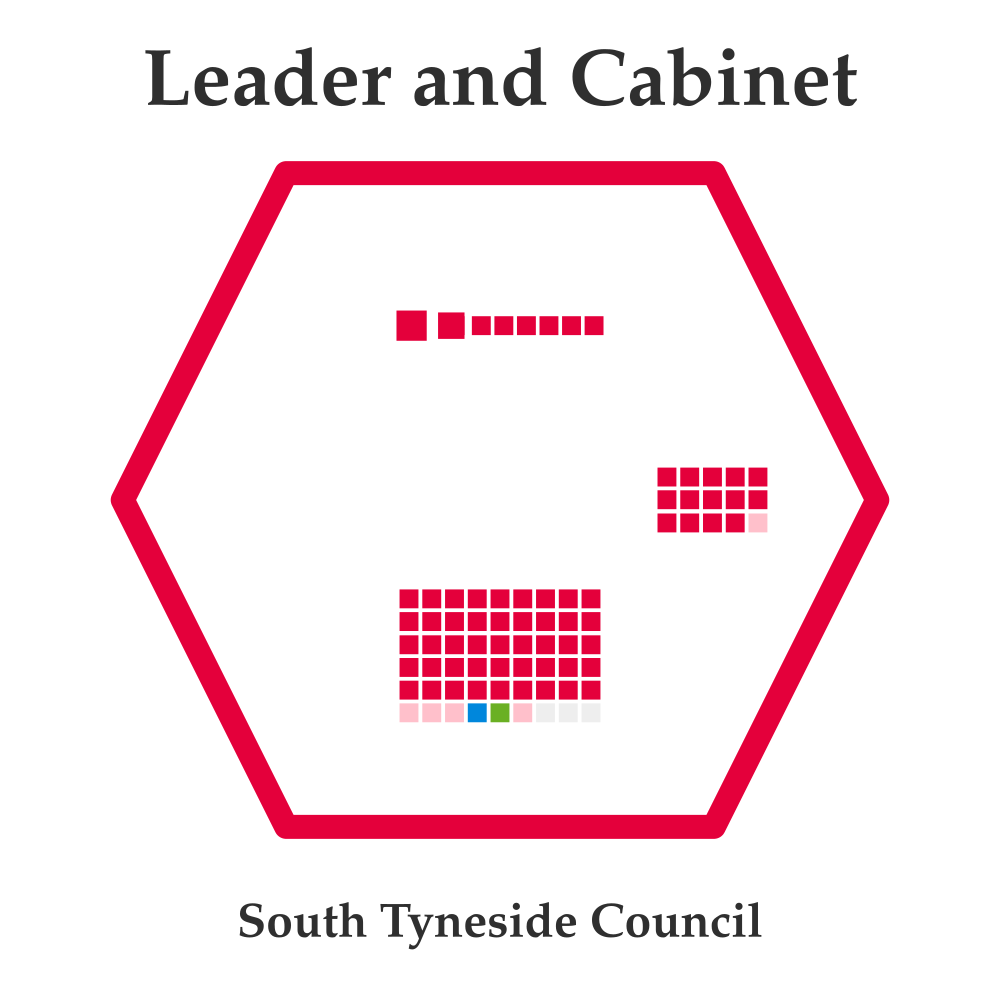
South Tyneside Council
The committee system uses representative committees to run the council. A leader is elected from the full council, but they are primarily a figurehead for the council. They chair a committee, which includes all groups.
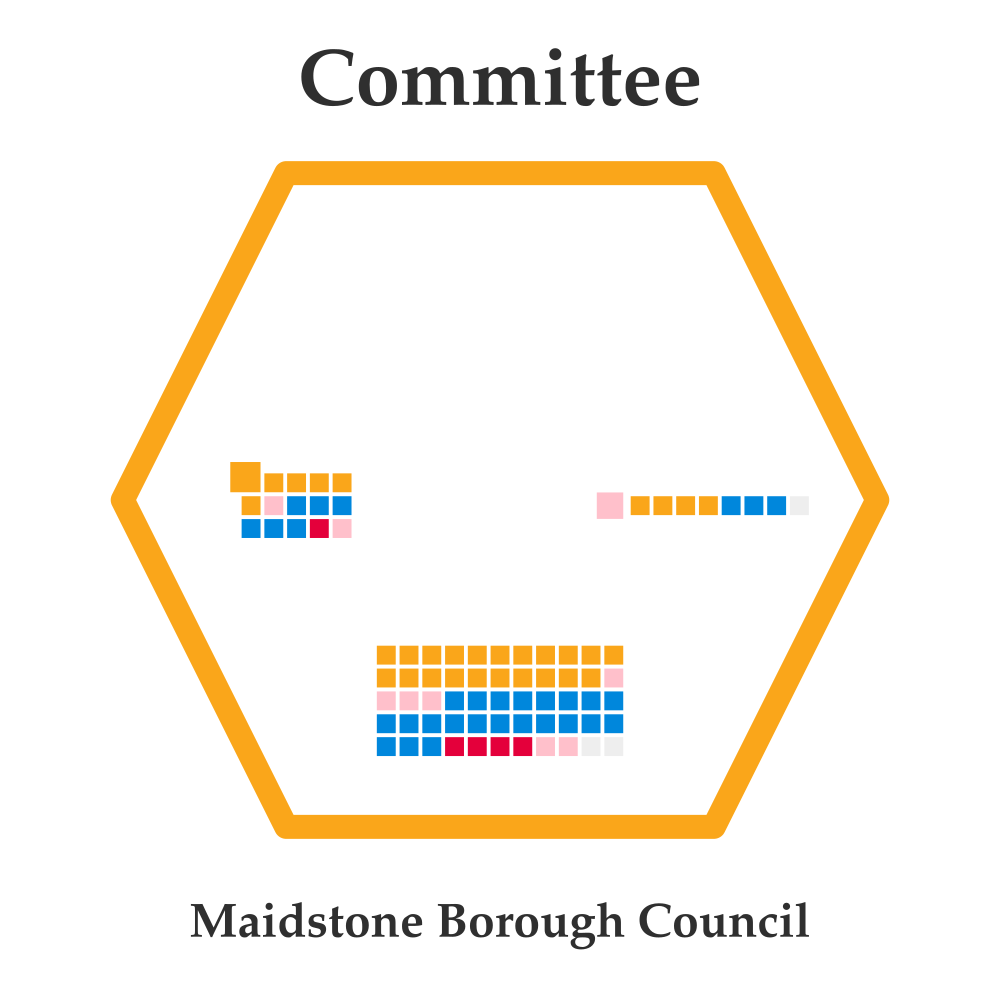
Maidstone Borough Council
In a mayoral system, a mayor is directly elected instead of being chosen from the councillors. They are a member of the council and appoint other councillors to be deputy and assistant mayors.
Like the leader system, a representative Audit and Risk Committee is used to hold the executive accountable.
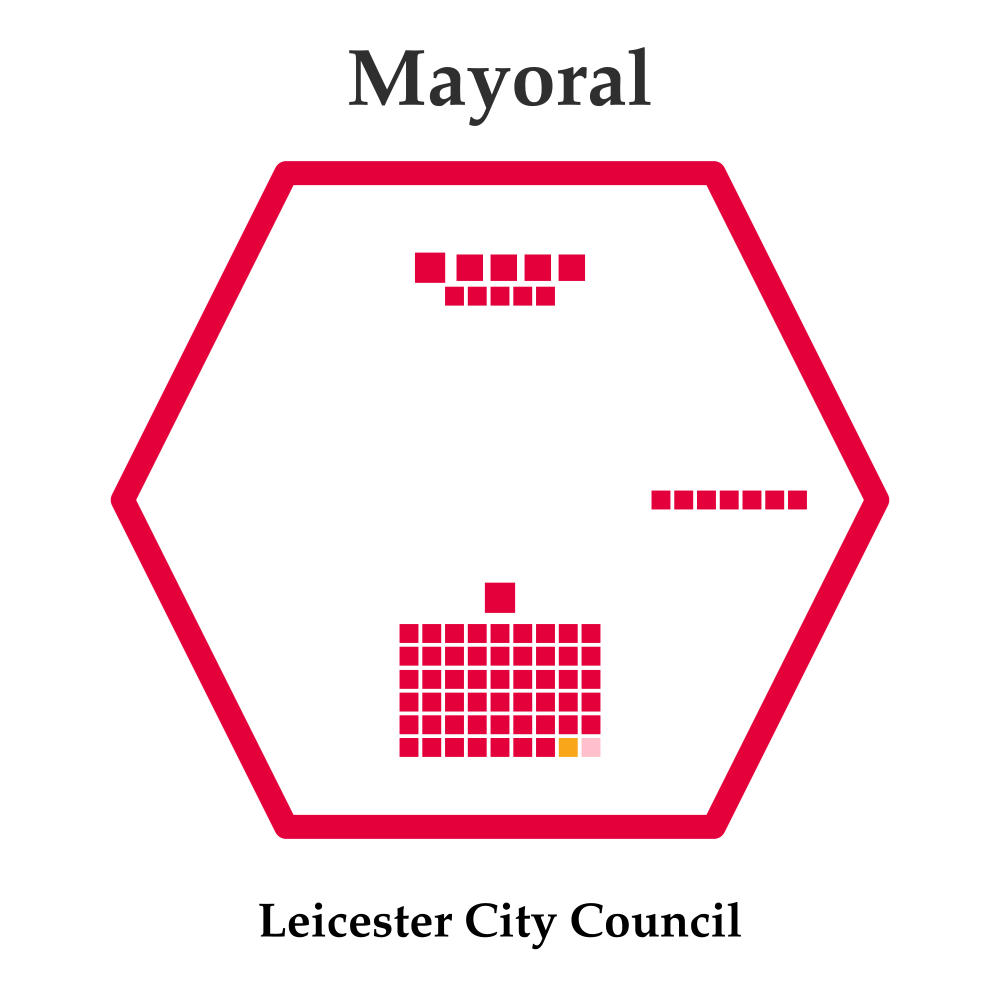
Leicester City Council
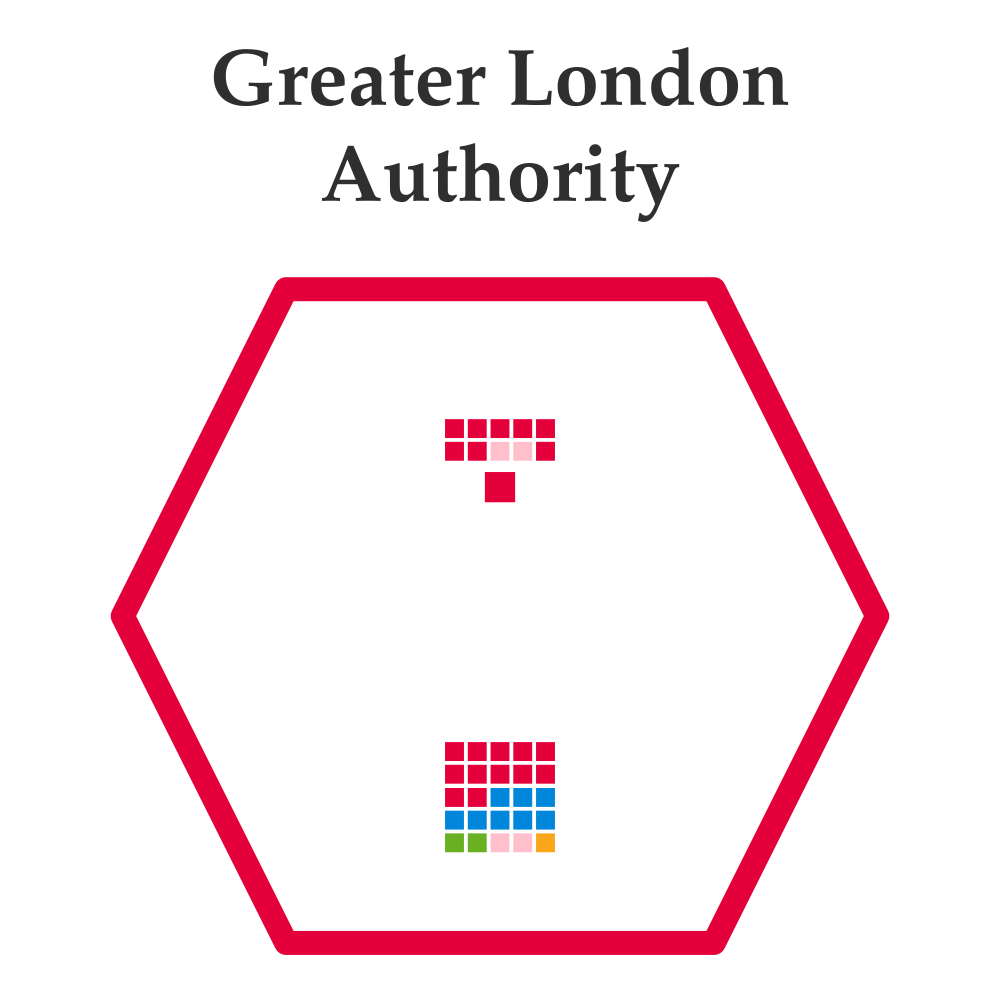
Again, each combined authority has a slightly different system. Most have a mayor, but the North East CA is the only one without. The cabinets are filled with councillors from the constituent councils that make up the combined authority.
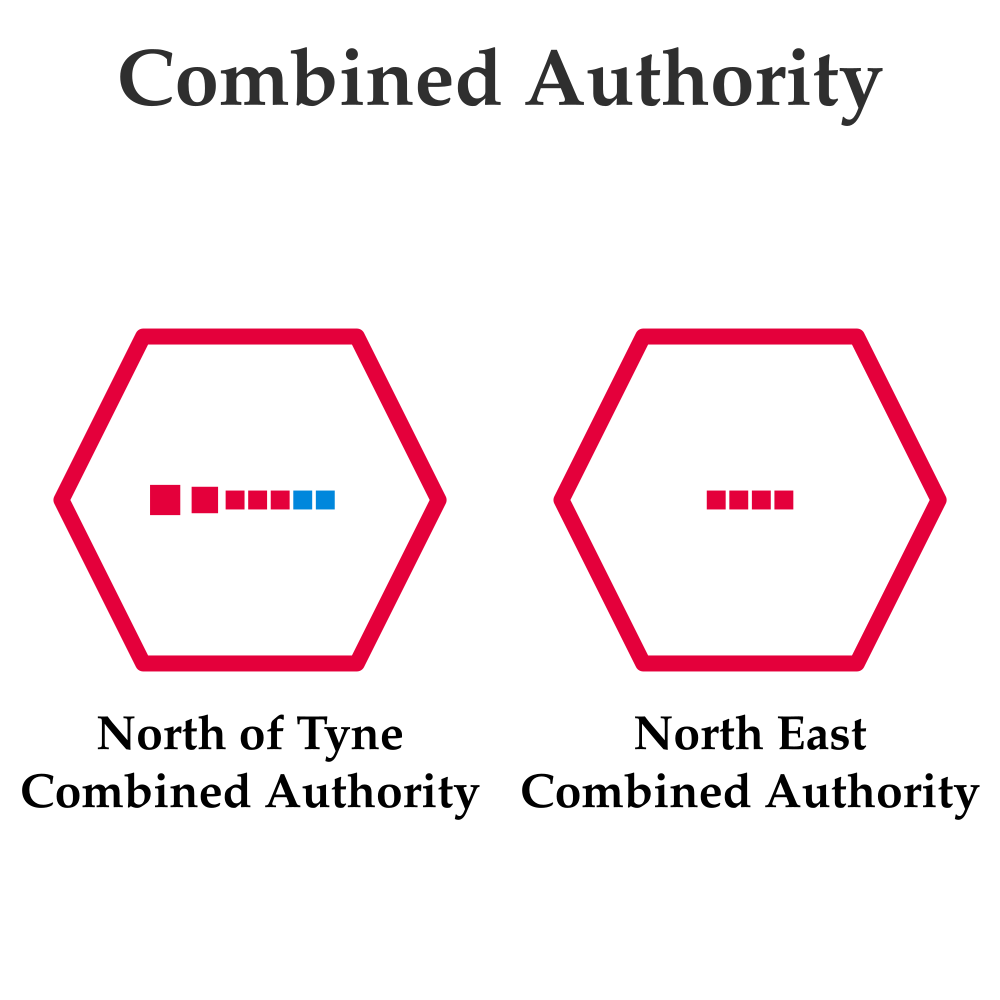
North of Tyne Combined Authority, North East Combined Authority
Elections
Finally how councillors are elected varies slightly, and how the voting works for them and directly-elected mayors.
The most common type of election is the whole council election. Every four years, these councils will hold elections for all of their councillors. The council area is split up into electoral wards, and these may elect a varying number of councillors. So more rural areas may elect only a single councillor, but more densely populated wards can elect more councillors.
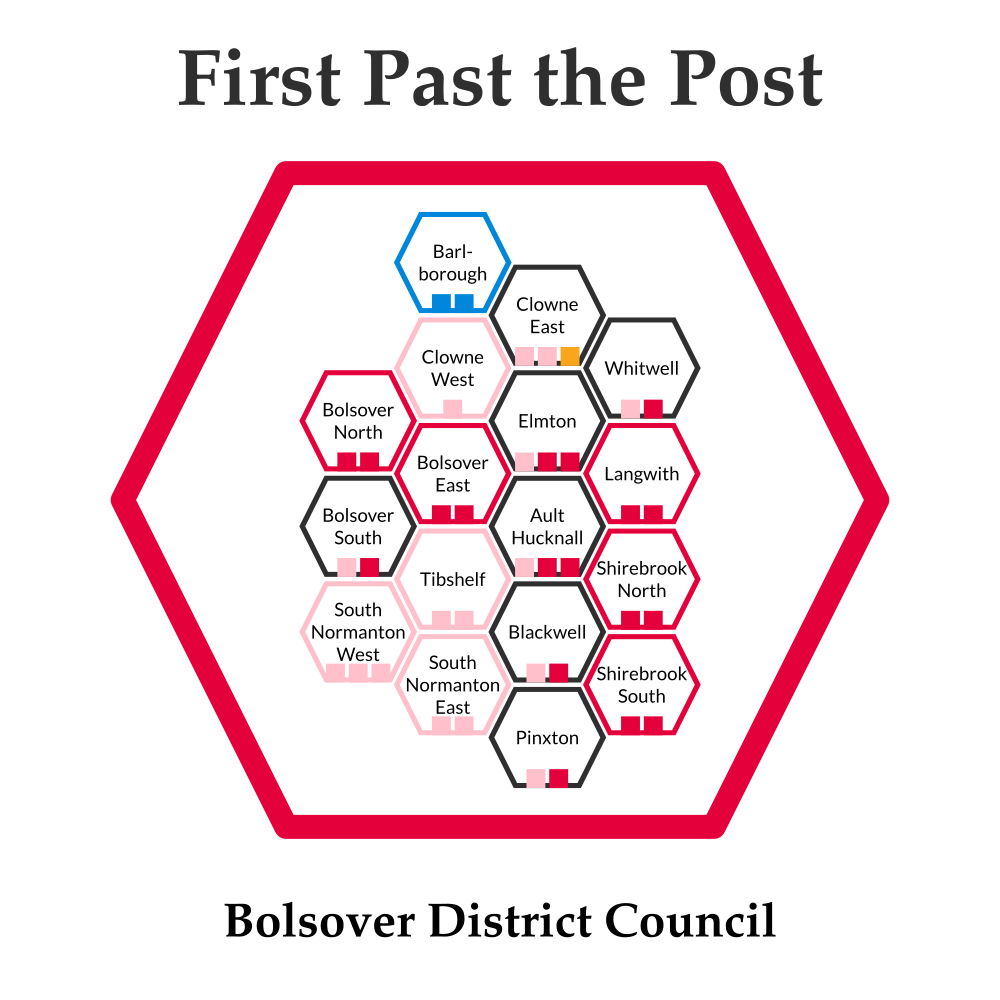
Bolsover District Council
The elections use a first past the post system, where the candidate with the highest number of votes is elected, but when multiple seats are available, each voter gets to vote for as many candidates as seats are available, sometimes called a bloc vote. So if three seats are available, a voter is able to vote for up to three candidates. Parties try to field as many candidates as seats available, and this voting system favours the majority, leading to landslide results.
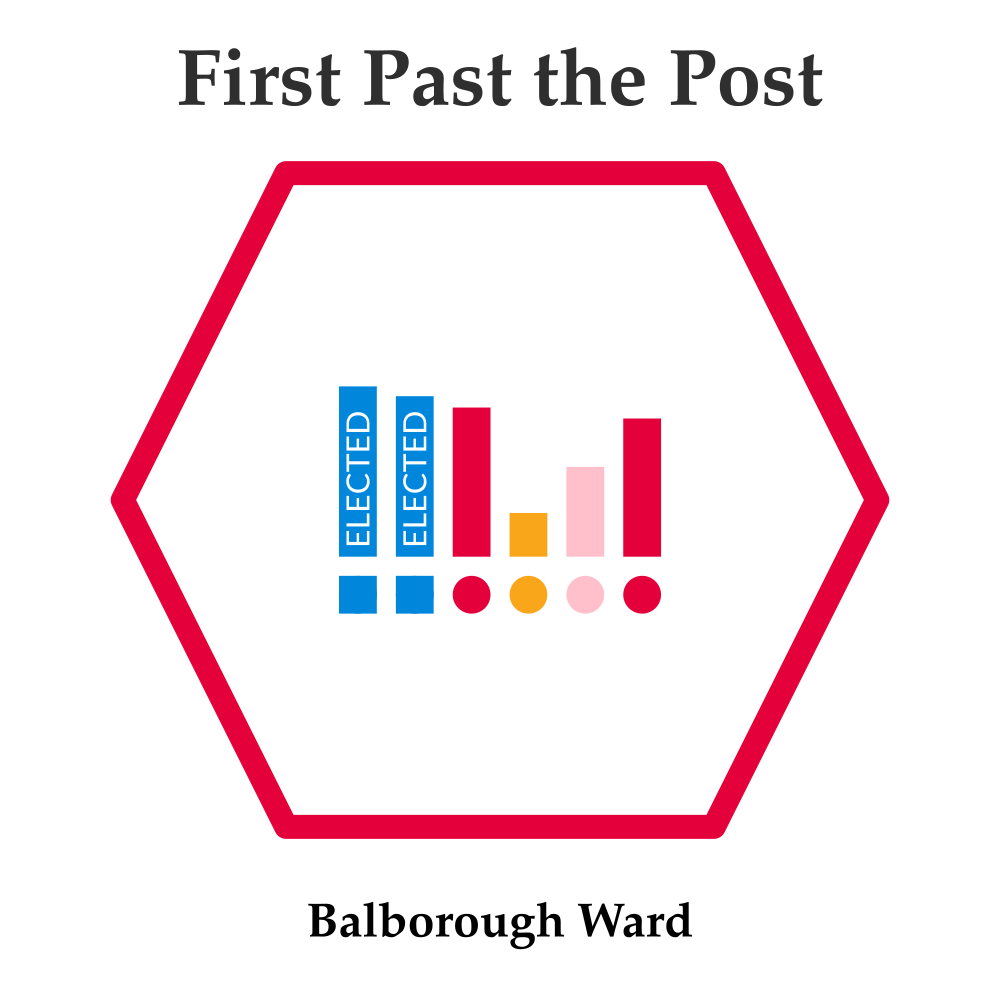
The next most common system is to elect the council by thirds. This is usually setup to work on a four year cycle, with one third of councillors elected per year, but missing out one year for the full county council election.
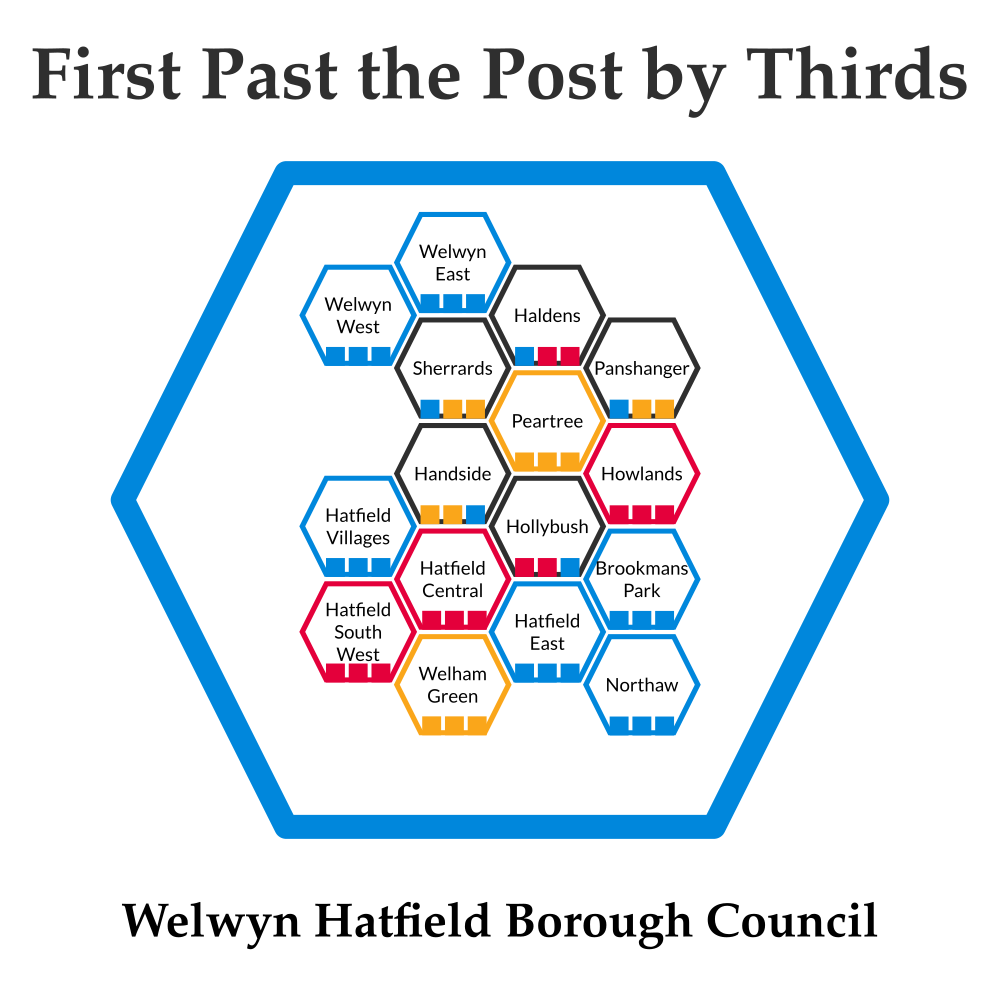
Welwyn Hatfield Borough Council
The final and rarest way of electing a council is to elect the council by halves.
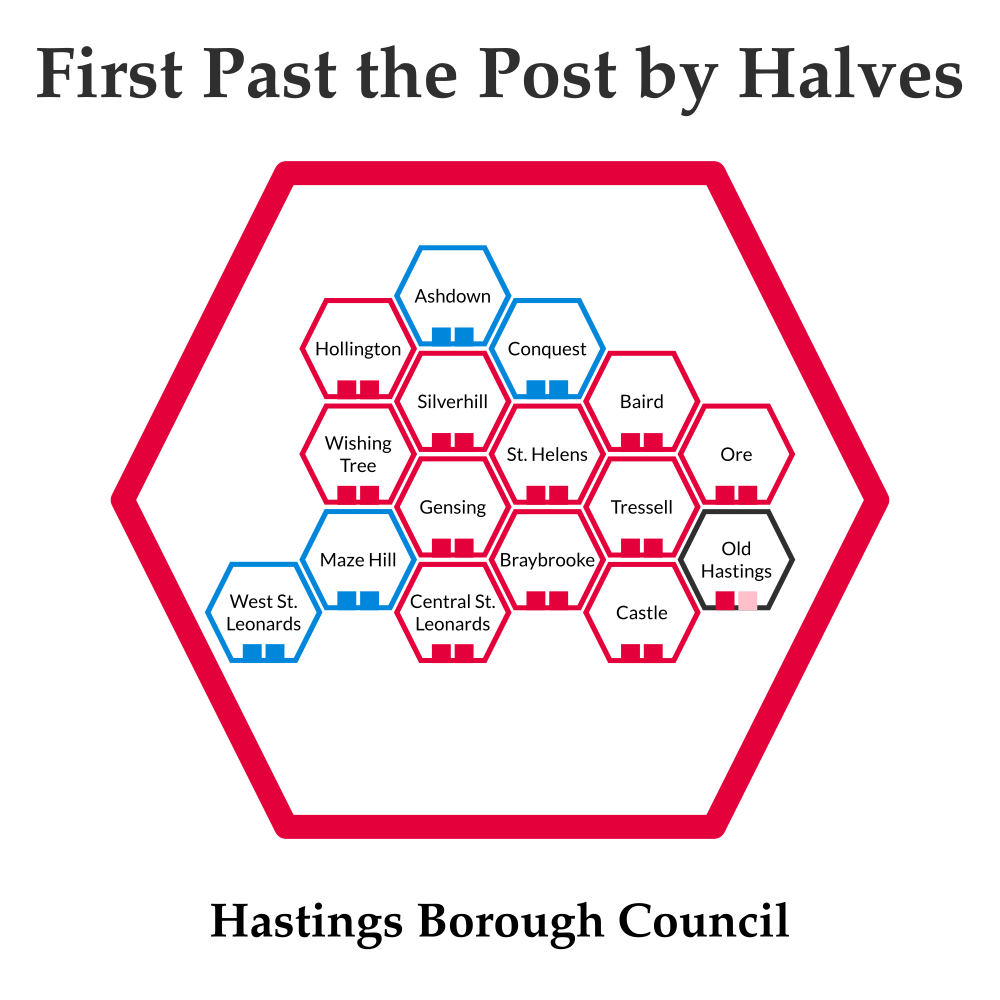
Welwyn Hastings Borough Council
For elected mayors of Combined Authorities, councils and the London Mayor, the supplementary vote method is used. Voters select both a first and second preference of candidates. If no candidate gets a majority of first preference, the two with the highest number of first preference votes go onto a second round, and other candidates are eliminated. The eliminated candidates’ voters second preferences can then be used as votes between the remaining two, with the winner having the most votes after the second round.
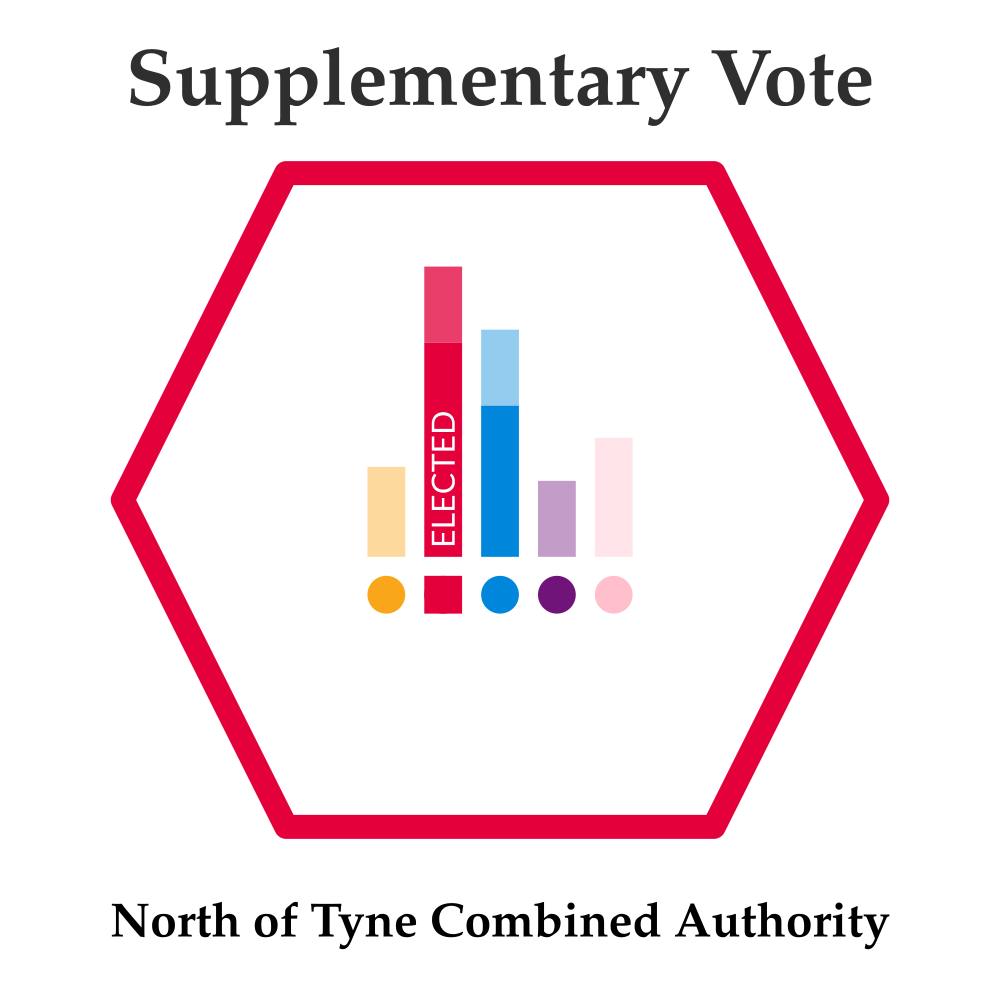
North of Tyne Combined Authority Mayoral Election Results